 CNC маңайы,фрезерлік машина,Тік өңдеу орталығы,Фрезерлік станоктарды бұру

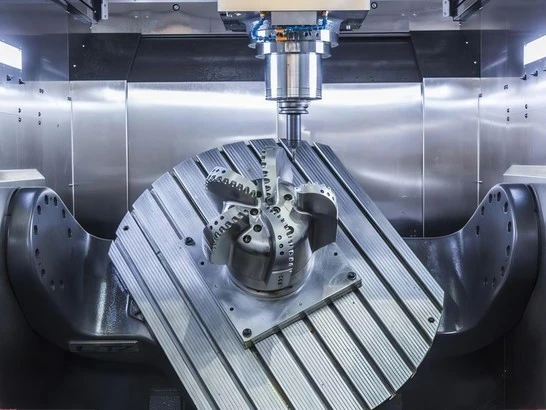
Қытайдың компьютерлік сандық бақылауға арналған жаңартылған экспорттық бақылау саясаты (/ Оқыту) станоктар, ұлттық қауіпсіздік мүдделері мен ядролық қаруды таратпау жөніндегі халықаралық міндеттемелерге сәйкес жүзеге асырылады, өнеркәсіптік дамуды жаһандық стратегиялық тұрақтылықпен теңестіретін құрылымдық нормативтік базаны енгізді. Бірінші рет енгізілген 2020 және кейінгі жаңартуларда қайта қаралды, басқару элементтері жоғары дәлдіктегі бес осьті CNC станоктарына және тиісті негізгі компоненттерге бағытталған, Жетілдірілген азаматтық өндірісте де, қорғаныстың маңызды секторларында да қосарлы қолдану қолданбалары бар, Оның ішінде аэроғарыш, ядролық энергия, және дәл қару өндірісі.
Қолданыстағы реттеу жүйесі бойынша, экспорттаушылар бақыланатын CNC станоктарының санаттары үшін Қытайдың Сауда министрлігінен ресми экспорттық лицензияларды алуы керек, экспорттық мақсатқа қарамастан. Лицензия қолданбалары соңғы пайдаланушы ақпаратының егжей-тегжейлі ашылуын талап етеді, соңғы қолдану мәлімдемелері, және транзакция жазбалары, шектеулі түпкі пайдаланушыларға немесе әскери бағдарламаларға рұқсатсыз бұрылуды болдырмау үшін қатаң скрининг жүргізетін органдармен. Төмен және орташа дәлдіктегі CNC үлгілеріне назар аударатын шағын және орта өндірістік кәсіпорындар ең аз реттеу бұзылыстарына тап болады., өйткені стандартты өнімдердің көпшілігі бақыланатын каталогтан тыс қалады, жаһандық нарықтарға үздіксіз қол жеткізуге мүмкіндік береді.
Бұл саясат түзетулері Қытайдың халықаралық экспорттық бақылау стандарттарын ұстануын көрсетеді, Wassenaar келісімінің қосарлы мақсаттағы тауарларды реттеу жөніндегі нұсқаулықтарына сәйкес. Бақылау жаһандық жеткізу тізбегін бұзуды мақсат етпейді; керісінше, олар бақылаусыз тараған кезде шынайы қауіпсіздікке қауіп төндіретін нақты жоғары деңгейлі технологияларға бағытталған. Жаһандық саланың мүдделі тараптары реттеу процесі ашық екенін атап өтеді, жарияланған бақыланатын өнім каталогтарын және нақты қолдану нұсқауларын қоса, халықаралық импорттаушылар мен отандық экспорттаушылар үшін белгісіздікті азайтады.
Күтіп тұру, Қытайдың Сауда министрлігі CNC станоктарын басқару тізімін динамикалық реттеу механизмін қолдайды, дамушы қауіпсіздік қатерлері мен технологиялық жетістіктер негізінде оны жаңарту. Бұл тәсіл алдыңғы қатарлы өндірістік жабдықтың заңды жаһандық саудасын қажетсіз шектемей, экспорттық бақылаудың тиімді болып қалуын қамтамасыз етеді., халықаралық қауіпсіздік міндеттемелерін сақтай отырып, жаһандық өнеркәсіптік экожүйедегі тұрақты өсуді қолдау.