 Токарний верстат з ЧПУ,фрезерний верстат,вертикальний обробний центр,токарно-фрезерні верстати

Modern manufacturing relies heavily on precision machining, and CNC drilling and tapping center models stand as foundational equipment across automotive, аерокосмічний, електроніка, and mold-making industries. These integrated systems combine high-speed drilling, rigid tapping, and light milling operations into a single work cell, eliminating multiple setup steps and reducing production lead times by up to 40% compared to standalone machines.
Entry-level models, typically designed for small-batch production and job shops, feature working table sizes ranging from 600×400 mm or 700×450 mm, with spindle speeds up to 20,000 or 24000 RPM and 16–21 tool automatic tool changers (ATC). These compact units prioritize space efficiency, making them ideal for small workshops producing low-volume components like mounting brackets, electronic enclosures, and hydraulic valve bodies.
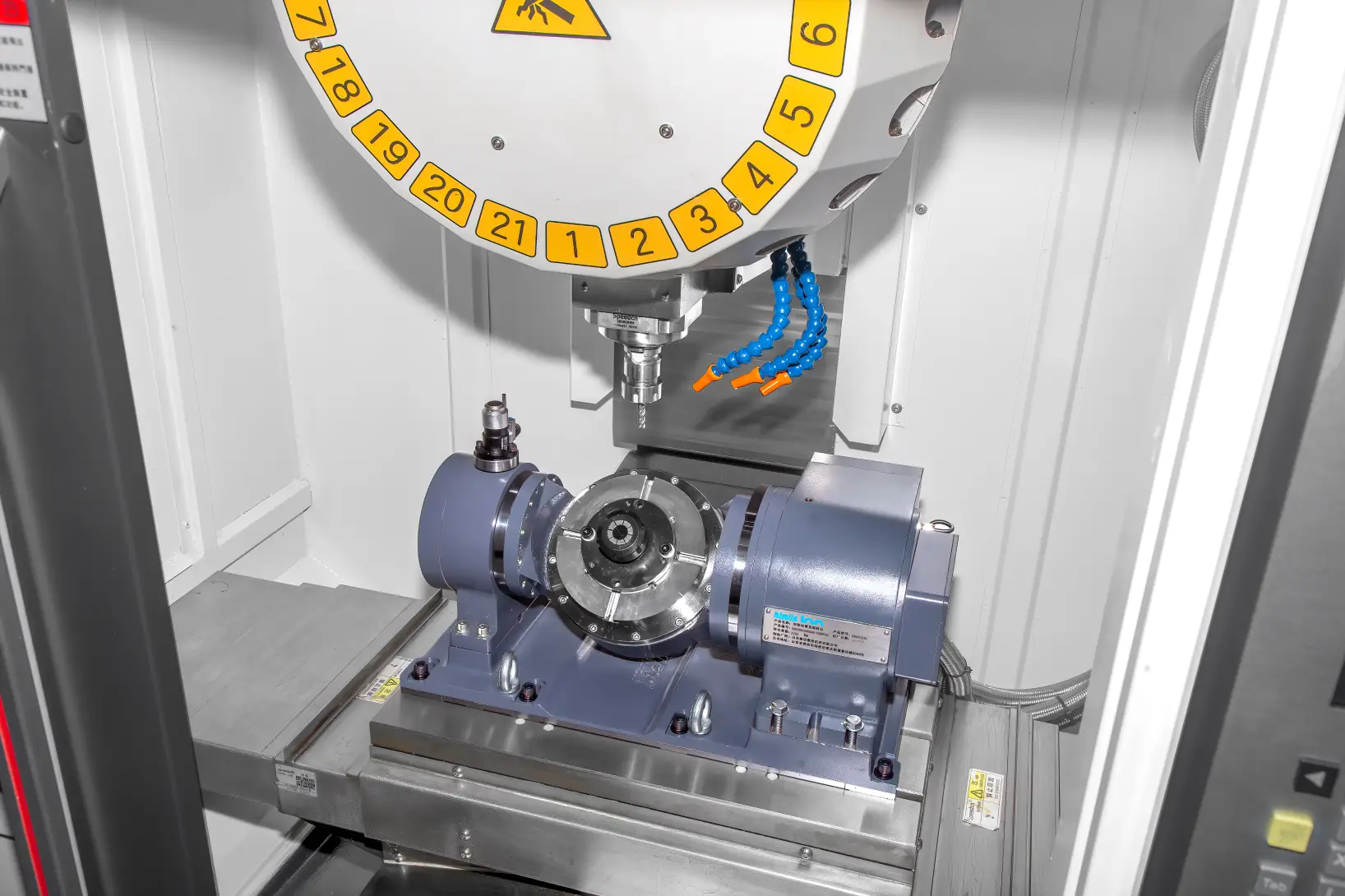
Mid-range production models cater to medium-volume manufacturing, offering 20,000–24,000 RPM spindles with direct-drive , 20–30 tool ATCs, and axis travel extending up to 1200×600 mm. Many of these models include through-spindle coolant systems, which improve chip evacuation in deep hole drilling and extend tool life by 25–30% when machining hard materials like alloy steel and titanium.
High-performance vertical CNC drilling and tapping centers are engineered for high-volume mass production, particularly in the automotive and consumer electronics sectors. These models feature linear motor drives for ultra-fast rapid traverse rates up to 60 m/min, spindle speeds exceeding 30,000 RPM, and integrated multi-pallet changers for lights-out manufacturing. Advanced control systems with thermal compensation algorithms maintain positioning accuracy within ±0.002 mm, ensuring consistent part quality across thousands of identical components.
When selecting a model, manufacturers must balance spindle power, tool capacity, work envelope, and automation integration capabilities to match specific production requirements. Modern models also increasingly include Industry 4.0 connectivity, enabling real-time performance monitoring and predictive maintenance to reduce unplanned downtime.